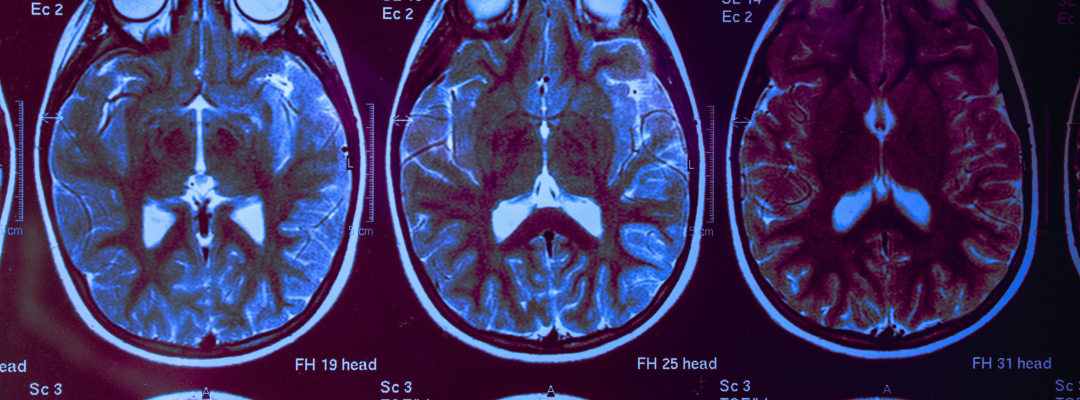
THE CLAUSTRUM AND THE MYSTICAL OIL
The claustrum is a structure of the brain that has been associated with consciousness and spirituality. In the mystical context, the claustrum is said to secrete a sacred oil known as "Christos" or "Christ." This oil is considered a spiritual essence related to the cerebrospinal fluid.
The mystical process describes how the claustrum releases a biochemical signal that activates the pineal and pituitary glands. These glands, in turn, secrete substances known as "milk and honey" into the cerebrospinal fluid. This sacred fluid descends through the spine and then ascends, carrying with it a spiritual energy that is said to purify and elevate consciousness.
Relationship between the Pituitary, Pineal, and "Milk and Honey"
The pituitary and pineal glands are essential for hormonal balance and circadian rhythms in the body. The pituitary gland, also known as the hypophysis, regulates various hormonal functions and is sensitive to environmental stimuli. The pineal gland, on the other hand, is known for its role in regulating sleep and producing melatonin.
In mystical contexts, these glands are seen as centers of spiritual power. "Milk" and "honey" are metaphors for the secretions of these glands, which are believed to have spiritual and healing properties. "Milk" represents the secretion of the pituitary gland, while "honey" symbolizes the secretion of the pineal gland.
What is somatostatin?
Somatostatin is a peptide hormone that plays a crucial role in the endocrine and nervous systems. Its main function is to inhibit the release of other hormones and neurotransmitters. Here are some key details about somatostatin:
Hormonal Inhibition: Somatostatin inhibits the secretion of several hormones, including growth hormone (GH), insulin, and glucagon.
Digestive Regulation: In the digestive system, somatostatin reduces the secretion of gastric acid and digestive enzymes and slows gastric emptying.
Neurotransmission: In the central nervous system, somatostatin acts as a neurotransmitter and neuromodulator, affecting neuronal activity and signal transmission.
Somatostatin is produced in various parts of the body, including the hypothalamus, pancreas, and gastrointestinal tract. Its inhibitory action is essential for maintaining hormonal balance and homeostasis in the body.